Views: 0 Author: Site Editor Publish Time: 2025-12-09 Origin: Site
Proper maintenance of your die cutting machine is essential to keeping your production line running efficiently. A well-maintained machine not only extends the lifespan of the equipment but also helps reduce the risk of malfunctions, downtime, and costly repairs. This article offers practical maintenance tips to help businesses ensure their die cutting machines continue to perform at optimal levels, reduce unexpected failures, and ultimately increase the return on investment. Furthermore, we will highlight the advantages of Henghao’s die cutting machines, which are designed for ease of maintenance and feature reliable after-sales support.
Neglecting maintenance on your die cutting machine can have significant consequences. It’s easy to overlook routine care, especially during busy production periods, but the long-term impact on your equipment and production efficiency can be substantial.
One of the primary concerns when a die cutting machine is not properly maintained is downtime. Any unplanned downtime can disrupt your entire production schedule, resulting in delayed shipments, dissatisfied customers, and lost revenue. Additionally, equipment failure due to a lack of maintenance can lead to costly repairs, which can sometimes be more expensive than the regular upkeep of the machinery.
A machine that isn’t well-maintained is more likely to produce inconsistent results, leading to quality fluctuations in your products. This can affect your reputation in the marketplace and can result in the production of faulty items, which must be discarded or reworked. Furthermore, material waste increases when the machine is not working optimally. This not only leads to higher costs for raw materials but also reduces your overall efficiency.
Regular maintenance ensures that your die cutting machine operates smoothly, maintains quality consistency, and minimizes waste, which ultimately helps in boosting overall productivity and profitability.
Routine checks are essential to keeping your die cutting machine in top condition. Here are the key maintenance tasks that should be performed on a daily or weekly basis.
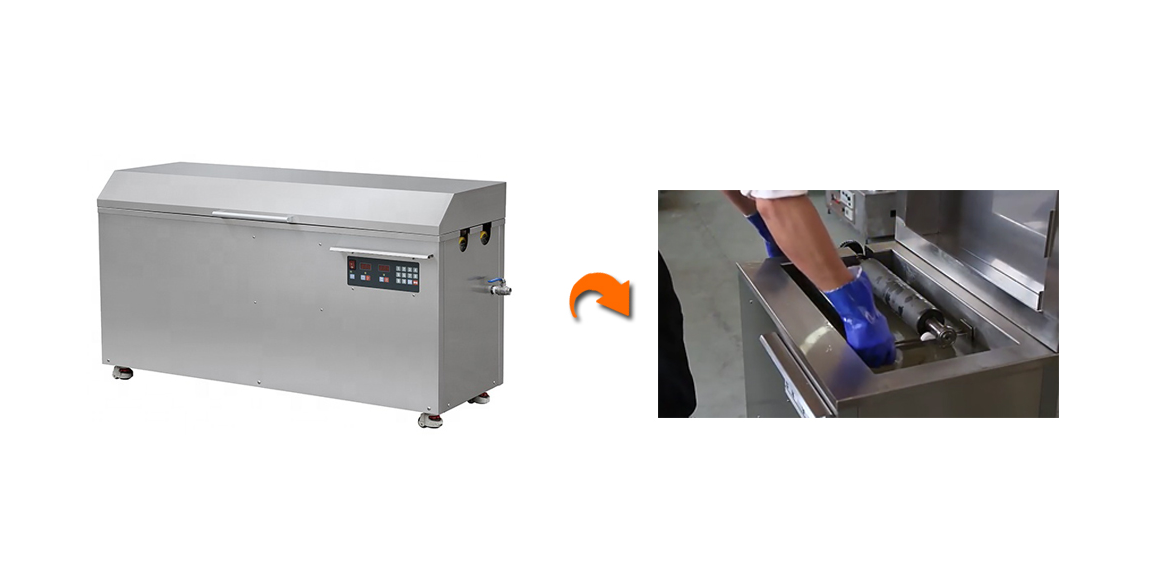
One of the most important daily tasks is cleaning the die-cutting components, including the dies, rollers, sensors, and feed mechanisms. Over time, dust, debris, and adhesive buildup can affect the performance of the machine. This buildup can lead to inaccurate cuts, material jamming, or poor registration. A thorough cleaning will ensure that all components function smoothly and reduce the chances of unexpected breakdowns.
Lubrication is essential to keep the moving parts of the die cutting machine running smoothly. Bearings, gears, and other moving components must be lubricated regularly to prevent wear and tear. Inadequate lubrication can cause friction, leading to excessive heat generation and damage to components. Be sure to follow the manufacturer’s recommended lubrication schedule and use the appropriate lubricants for each part.
The tension of the material and the pressure applied by the machine are key factors in ensuring accurate and consistent cuts. Over time, the tension in the material feed may fluctuate, or the pressure settings may drift, leading to suboptimal results. Checking and adjusting the material feed and pressure on a regular basis helps maintain proper alignment and ensures consistent cutting performance. This step is particularly important for businesses working with a variety of substrates, as different materials require different settings.
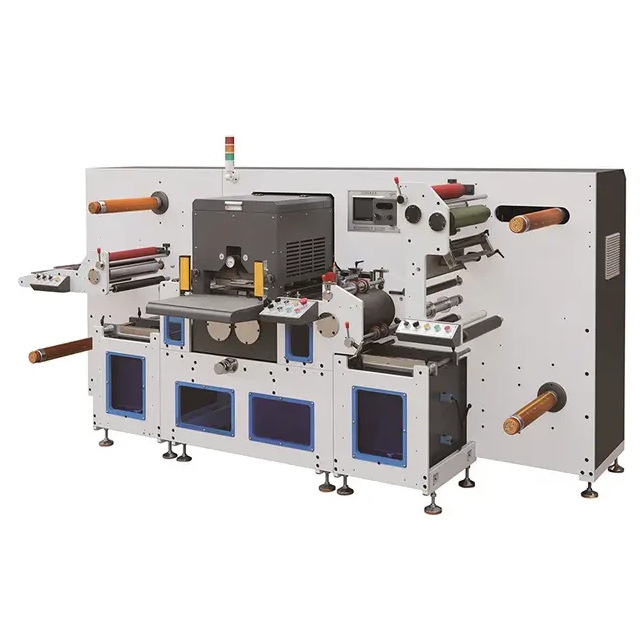
In addition to daily and weekly checks, monthly and quarterly maintenance tasks should be performed to ensure the long-term health of your die cutting machine.
Die blades are critical to the cutting process, and they naturally wear down over time due to constant use. Monthly inspections of the blades are necessary to check for signs of dullness, chipping, or other forms of wear. If the blades are damaged or have lost their sharpness, it is essential to replace them promptly to prevent further damage to the machine and maintain the quality of the cuts.
A well-aligned drive system is crucial for maintaining the accuracy of the die cutting process. Over time, the drive system may become misaligned, which can cause inconsistent cutting or difficulty in achieving the desired design. In addition, regular calibration of the registration system and alignment of the sensors are essential for accurate cuts. Misalignment can lead to issues such as crooked cuts, excessive waste, and production delays.
Monitoring the condition of your spare parts and keeping track of any unusual noises or vibrations is an important aspect of preventive maintenance. Regularly reviewing the machine log and checking for abnormal sounds or vibrations can help detect potential issues before they become serious problems. Having a readily available inventory of spare parts can minimize downtime when a component needs to be replaced.
When it comes to maintaining die cutting machines, there are several common mistakes that businesses should avoid. These mistakes can lead to unnecessary downtime, increased repair costs, and shorter equipment lifespan.
Some businesses wait until a problem arises before addressing maintenance issues, opting for reactive repairs rather than proactive upkeep. While this may seem like a cost-saving strategy, it often leads to larger, more expensive issues down the road. Regular, proactive maintenance is far more effective in extending the life of the machine and reducing the risk of major breakdowns.
Employees should be properly trained on how to operate and maintain the die cutting machine. Neglecting training can lead to mistakes in machine operation, improper maintenance practices, and inefficient machine use. Regular training ensures that staff know how to identify potential issues and carry out the necessary maintenance tasks correctly.
Safety is paramount when operating industrial machines, and failure to adhere to safety protocols can result in accidents or injuries. Regular maintenance checks should include verifying that safety features such as emergency stops, safety guards, and alarms are functioning properly. Ensuring that all safety protocols are followed not only protects employees but also helps prevent equipment damage due to improper handling.
When selecting a die cutting machine, it is important to choose one with a design that facilitates easy maintenance. Machines that are difficult to access for maintenance or require specialized tools can make routine upkeep a challenge.
At Henghao, our die-cutting machines are designed with ease of maintenance in mind. We prioritize user-friendly access to key components and offer a wide range of spare parts to ensure that maintenance is quick and efficient. Additionally, our machines are built for durability, with long-lasting components that minimize wear and tear, reducing the need for frequent repairs. Our after-sales support ensures that you have the resources you need to keep your machines in top condition, from providing spare parts to offering operator training and technical assistance.
Maintaining your die cutting machine is critical to keeping your production line running smoothly and efficiently. Regular cleaning, lubrication, calibration, and part replacement will not only extend the lifespan of your equipment but also reduce downtime and improve product quality. By avoiding common maintenance mistakes and selecting a machine designed for ease of maintenance, businesses can significantly improve their operations and profitability. Henghao’s die cutting machines are built for easy maintenance, with high-quality components and comprehensive support to ensure optimal performance. Contact us today to learn more about our die cutting machines and how we can help you enhance your production process.
1. Why is regular maintenance important for die-cutting machines?
Regular maintenance ensures that your die cutting machine operates at peak efficiency, reduces the risk of unexpected breakdowns, and extends the lifespan of the equipment, ultimately improving your return on investment.
2. How often should I clean my die-cutting machine?
Cleaning should be done daily or weekly, depending on the intensity of machine use. Cleaning key components like dies, rollers, and sensors is essential to prevent debris buildup and ensure accurate cuts.
3. What should I check during preventive maintenance?
During preventive maintenance, inspect die blades for wear, check the alignment of the drive system and sensors, and review the machine log for any unusual signs like vibrations or noises.
4. How can Henghao help with die-cutting machine maintenance?
Henghao offers high-quality die-cutting machines designed for easy maintenance. We provide a range of spare parts, operator training, and comprehensive after-sales support to help businesses maintain their equipment and reduce downtime.