Español
 Français
 Русский
 العربية
 Türkçe
 English
 Português
 Deutsch
 italiano
 日本語
日本語 한국어
한국어 Nederlands
 Tiếng Việt
 ไทย
ไทย Polski
 አማርኛ
አማርኛ ພາສາລາວ
 ភាសាខ្មែរ
 Bahasa Melayu
 ဗမာစာ
ဗမာစာ தமிழ்
தமிழ் Filipino
 Bahasa Indonesia
 magyar
 Română
 Čeština
 Монгол
 қазақ
қазақ Српски
 हिन्दी
 فارسی
فارسی Kiswahili
 Slovenčina
 Slovenščina
 Norsk
Norsk Svenska
 українська
 Ελληνικά
 Suomi
Suomi Հայերեն
 עברית
עברית Latine
 Dansk
Dansk اردو
اردو Shqip
Shqip বাংলা
বাংলা Hrvatski
 Afrikaans
 Gaeilge
 Eesti keel
 Māori
MāoriViews: 311 Author: Site Editor Publish Time: 2026-03-21 Origin: Site
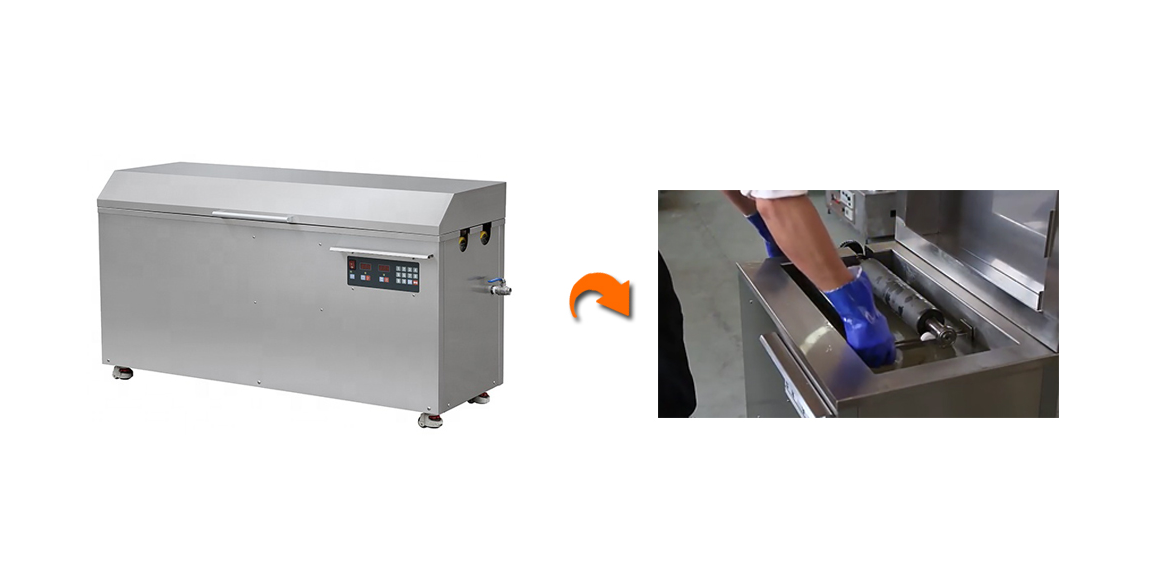
In the competitive world of packaging and label printing, the quality of your output is only as good as the plate used on the press. As we navigate through 2026, the technology behind the Flexo Plate Making Machine has undergone a massive transformation. No longer just a simple exposure unit, modern equipment must now bridge the gap between complex digital files and physical ink transfer with absolute precision.
For printing houses and trade shops, a reliable Flexo Plate Making Machine is the heart of the production workflow. It directly impacts your ability to hit tight deadlines, maintain color consistency, and reduce substrate waste. If your equipment lacks the latest Digital integration or Automatic processing features, you are likely losing money on every job. This guide explores the essential features that every high-performance unit must possess this year to stay relevant and profitable.
The most fundamental requirement in 2026 is the ability to produce fine screens and micro-text. A High resolution Flexo Plate Making Machine is no longer a luxury; it is a standard. As brands demand more photorealistic graphics on flexible packaging, your plates must be able to hold a 1% dot without failing during long press runs.
Modern Digital plate makers use fiber laser technology to achieve resolutions up to 5080 dpi (dots per inch) or higher. This precision allows for the creation of "flat-top dots," which reduce dot gain on the press. When you invest in a High resolution system, you ensure that the gradients are smooth and the highlights are crisp. It eliminates the "harsh edges" often seen in older, lower-quality flexo printing.
A reliable machine ensures that the laser intensity is uniform from the center to the very edges of the plate. If the resolution varies, the print will look blotchy. In 2026, the best systems use real-time calibration sensors to adjust laser power during the imaging process, guaranteeing that the first square inch of the plate is identical in quality to the last.
Space and labor efficiency are top priorities for modern factories. The trend has shifted heavily toward the All-in-one Flexo Plate Making Machine. These systems combine several distinct steps—exposure, washing, drying, and light finishing—into a single, streamlined footprint.
Every time a technician moves a delicate, unexposed plate from one machine to another, there is a risk of damage, dust contamination, or kinking. An All-in-one system minimizes physical handling. You load the raw material, and it emerges ready for the press. This level of integration ensures that the delicate chemistry and timing of each stage are perfectly synchronized by the machine's internal computer.
For smaller label shops, an All-in-one unit is a game-changer. It allows them to bring plate production in-house without needing a massive clean-room facility. By consolidating four machines into one, you also reduce energy consumption and simplify your maintenance schedule. It is the most logical choice for businesses looking to maximize their return on investment (ROI) in 2026.
The industry is moving away from solvent-based washing because of environmental regulations and the time required for drying. A Thermal Flexo Plate Making Machine represents the pinnacle of speed and sustainability in the current market.
In a Thermal system, the unexposed polymer is removed using heat and a specialized developer roll rather than liquid solvents. This "dry" process means the plate does not swell. Therefore, it does not need hours in a drying oven. A Thermal plate can be ready for the press in under 20 minutes, compared to the 2 to 3 hours required for solvent-based plates.
Because the plate never touches liquid chemicals, it maintains its original dimensions perfectly. This leads to better registration on the press, especially for High resolution multi-color jobs. Furthermore, being a "solvent-free" shop improves your Eco-friendly credentials, which is a significant selling point when bidding for contracts with major global brands that prioritize sustainability.
In 2026, "Reliable" means a machine that can work with minimal supervision. An Automatic Flexo Plate Making Machine utilizes robotics and smart sensors to manage the plate's journey through the various stages of production.
An Automatic system can be loaded with multiple plates at once. The machine's internal arms move the plates through exposure and washing without a human needing to press a button for each stage. This allows your skilled technicians to focus on quality control and prepress file optimization rather than "babysitting" the hardware.
A truly Automatic unit is connected to the cloud. It monitors its own "vitals"—lamp intensity, temperature, and chemical levels. If it detects a potential failure, it alerts the maintenance team before a breakdown occurs. This predictive maintenance is essential for high-volume shops where an hour of downtime can cost thousands of dollars in lost production.
The "Amazon Effect" has hit the printing industry hard; customers want their packaging yesterday. A High speed Flexo Plate Making Machine is necessary to keep up with the fast-turnaround demands of modern retail.
While older machines processed one plate at a time, 2026-era High speed units often feature staggered workstations. As one plate is being dried, another is being washed, and a third is being imaged. This parallel workflow significantly increases the number of square meters of plate material you can produce per shift.
Speed shouldn't come at the cost of quality. The latest Digital engines use multi-beam laser arrays. By splitting the laser into multiple paths, the machine can image the plate surface much faster than a single-beam system. For a trade shop producing hundreds of plates a day, this High speed capability is the difference between leading the market and falling behind.
| Feature Type | Legacy Equipment | 2026 Reliable Standard |
| Imaging Tech | Analog Film/Lower DPI | Digital / High resolution |
| Process Style | Separate Units | All-in-one / Integrated |
| Media Handling | Manual Transfer | Automatic Robotics |
| Development | Solvent-based (Slow) | Thermal (Fast/Dry) |
| Speed | 1-2 plates/hour | High speed (6+ plates/hour) |
Exposure is where the image is actually "locked" into the polymer. Moving away from traditional fluorescent tubes, the best Flexo Plate Making Machine models now utilize UV-LED technology.
Fluorescent tubes degrade over time, losing their intensity and causing inconsistent plate hardness. UV-LEDs, however, provide a stable light output for thousands of hours. This ensures that every plate has the same "shoulder" angle and relief depth. It gives the press operator a predictable tool that behaves the same way every time it is mounted on the cylinder.
UV-LED systems don't require a warm-up period. They provide instant, full-intensity light the moment they are needed. This saves a significant amount of electricity and reduces the heat generated within the machine. In a Digital workflow, this precision allows for finer control over the "Oxygen Inhibition" process, which is critical for creating the flat-top dots required for High resolution printing.
A machine is only as good as the person operating it. In 2026, a reliable Flexo Plate Making Machine must feature an intuitive, tablet-like interface that simplifies complex tasks.
The machine must talk to your prepress software (like Esko or Hybrid). When the prepress department sends a file, the Digital plate maker should automatically recognize the plate thickness, the required relief depth, and the screen ruling. This "Smart Connectivity" prevents the operator from using the wrong settings, which is a major source of plate waste.
Modern screens provide a 3D view of the plate as it progresses through the machine. If a problem occurs—such as a temperature spike in the Thermal unit—the screen shows exactly where the issue is and how to fix it. This reduces the learning curve for new employees and ensures that your High speed production line stays moving.
The final essential feature is the ability of the machine to "check its own work." In 2026, high-end models include built-in cameras and scanners to inspect the finished plate before it leaves the unit.
The machine can automatically measure the relief depth to ensure it meets the job specifications. It can also scan the High resolution dots to check for any imperfections or "voids" in the polymer. If the plate is not perfect, the machine flags it immediately.
For industries like pharmaceutical or food packaging, traceability is key. The machine logs every parameter used for every plate—the UV intensity, the Thermal temperature, and the imaging speed. This data creates a digital "birth certificate" for the plate, proving that it was manufactured to the highest standards. It builds trust with your clients and satisfies the most rigorous audit requirements.
Investing in a Flexo Plate Making Machine in 2026 requires a focus on integration and intelligence. To remain a reliable partner for your clients, your equipment must offer High resolution imaging, Automatic handling, and High speed output. Whether you choose a solvent-based All-in-one unit or a cutting-edge Thermal system, the goal remains the same: producing a perfect plate every time. By prioritizing these essential features, you protect your margins and ensure your printing facility is ready for the future of packaging.
Q1: Is a Thermal Flexo Plate Making Machine better than a solvent one?
It depends on your needs. Thermal is much faster and more Eco-friendly, but solvent systems still offer a wider range of plate thicknesses and are often preferred for certain specialized high-ink-laydown applications.
Q2: Can I upgrade my old machine to be "Digital"?
While some retrofits exist, it is usually more cost-effective to invest in a new Digital Flexo Plate Making Machine. Modern systems are designed from the ground up to handle the data speeds and laser precision required for today's High resolution standards.
Q3: How often does an Automatic system need maintenance?
Because they have more sensors and moving parts, they require regular "check-ups." However, because they are Automatic, they can often predict when a part is about to fail, allowing you to schedule maintenance during planned downtime.
I have spent years observing the evolution of printing technology, and I can say with confidence that the machinery we produce stands at the forefront of the industry. At our factory, we don't just assemble parts; we engineer solutions. We operate a massive manufacturing base equipped with the latest precision testing equipment to ensure that every Flexo Plate Making Machine we build exceeds international standards.
Our strength lies in our deep understanding of the B2B landscape. We know that for our clients, reliability isn't just a word—it's their reputation. That is why we invest heavily in R&D to perfect our All-in-one and High speed systems. Our facility is a hub of innovation where we constantly refine our Digital imaging engines and Automatic workflows. When you partner with us, you aren't just buying a machine; you are gaining access to a world-class support network and a product born from decades of manufacturing expertise. We take pride in helping printing houses across the globe achieve High resolution perfection every single day.