Views: 0 Author: Site Editor Publish Time: 2026-08-03 Origin: Site
Choosing between digital presses and a traditional analog setup is no longer a simple technical debate. It represents a critical capital expenditure decision. Your choice directly impacts profit margins, operational efficiency, and production agility. Today, the packaging industry faces heavily conflicting demands. We see a massive rising need for short-run, highly personalized packaging campaigns. Brands want localized variations and seasonal promotions. Simultaneously, manufacturing operations still rely heavily on high-volume, low-cost commodity printing to sustain baseline profitability. Navigating these two extremes requires careful, data-driven analysis. This article provides a realistic, ROI-focused evaluation framework. We will help your procurement and operations teams choose the exact right technology for your facility. You might even find a modern hybrid approach fits your specific product mix best. Understanding the cost structures and mechanical capabilities of each method is absolutely essential. Let us explore how volume thresholds, substrate requirements, and long-term operational goals dictate your ideal packaging printing solution.
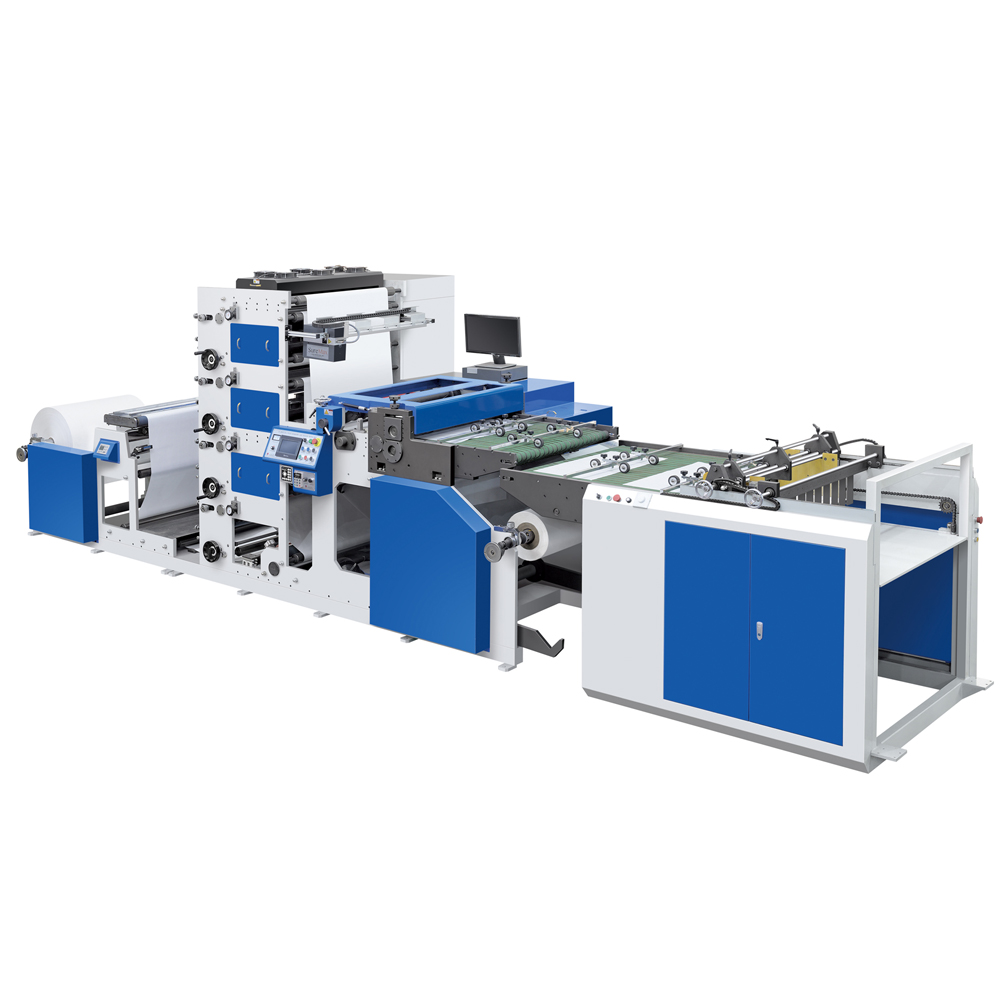
To make an informed purchasing decision, we must first examine the physical mechanics behind both technologies in deep detail. A standard Flexo Printing Machine utilizes a highly refined analog plate printing process. Operators wrap flexible photopolymer plates around precisely machined rotating cylinders. A specialized anilox roller transfers a highly specific volume of ink onto these raised plate surfaces. A doctor blade gently wipes away any excess ink. The plates then transfer this precise ink layer directly onto the substrate passing rapidly through the press. Once you complete the initial mechanical setup and dial in the color registration, a flexographic press operates at incredibly high speeds. The mechanical efficiency of this analog process remains nearly unmatched across the packaging industry. It turns massive rolls of blank material into finished packaging rapidly. It reigns as the undeniable king of commodity printing.
Conversely, digital printing relies heavily on advanced inkjet or electro-photography systems. This plateless technology applies microscopic ink droplets or fine toner directly from a digital design file onto the passing web. You skip the physical plate creation, plate mounting, and mechanical alignment phases entirely. This distinct mechanical difference provides a huge operational advantage for variable data printing (VDP). Operators can execute immediate job changeovers featuring virtually zero physical downtime. You can change artwork files, barcodes, or serialized numbers on the fly between individual impressions. This tremendous flexibility makes digital highly attractive for specialized, small-batch packaging runs. It also supports personalized regional marketing campaigns and rapid prototyping.
Understanding the deep financial relationship between setup expenses and production runs is absolutely vital for operational profitability. Flexography involves significant upfront capital and time investments for every unique job. You must pay for photopolymer plate creation, physical plate mounting tape, and custom ink mixing labor. Make-ready processes also generate notable substrate material waste before operators achieve perfect alignment and approved color density. Digital presses eliminate virtually all these traditional setup expenses. However, they carry a strictly linear, higher per-unit ink cost. Digital ink formulations and proprietary toners remain significantly more expensive per liter than standard analog inks.
To find your exact break-even threshold, you must compare these intersecting cost curves meticulously. We offer a generalized framework for identifying this critical crossover point. Your specific numbers will vary based on regional material costs.
Supply chain strategies also strongly dictate your chosen technology. Digital printing enables highly efficient "just-in-time" inventory models. Brands can print exactly what they need right now. This approach drastically reduces their warehouse footprint and obsolescence risks. Alternatively, flexography generally requires warehousing large print runs. You must store these bulk materials to truly maximize your return on investment over an extended timeline. This strategy ties up working capital in physical inventory but guarantees lowest unit cost.
Material compatibility heavily influences industrial equipment selection. Different packaging formats demand radically different substrates. Digital equipment often presents strict substrate limitations compared to robust analog alternatives. Many high-speed digital units require pre-treated substrates to function properly. Sometimes they need specific inline top-coatings applied to ensure proper ink adhesion, vibrant color gamut, and surface scratch resistance. A traditional flexographic process dominates material versatility. You can print on almost anything successfully. Operators easily handle porous corrugated papers, non-porous plastics, metallic foils, and highly extensible stretch films. Facilities can utilize water-based, solvent-based, or UV-curable inks based on specific product end-use requirements. This includes food-safe packaging or outdoor weather resistance.
Different facility layouts and product types require specific equipment variations. Choosing the right physical configuration ensures optimal strategic fit for your plant floor.
An Inline Flexo Printing Machine is highly suitable for pressure-sensitive labels, folding cartons, and tags. Its horizontal, linear layout allows printing, die-cutting, varnishing, and final roll finishing to happen in a single, continuous pass. This seamless integration drastically streamlines the entire manufacturing lifecycle. It heavily reduces work-in-progress inventory cluttering the facility.
Alternatively, a Stack Flexo Printing Machine offers a distinct vertical footprint advantage. This stacked structural design helps facilities facing severe tight space constraints maximize their production capacity. Furthermore, it boasts the unique mechanical capability to print on both sides of the substrate during a single web pass. This dual-sided printing feature makes it absolutely ideal for flexible packaging, complex shrink sleeves, and heavy-duty industrial bags.
Corporate brand guidelines demand absolute color accuracy across all global packaging formats. Flexography demonstrates clear superiority in hitting exact Pantone or Spot colors consistently. Operators use specially premixed inks to match precise brand hues before the production run even begins. This ensures strict compliance concerning major brand identity programs. It leaves no room for unexpected color shifting. Digital technology typically relies on CMYK or expanded gamut color simulations. Systems often add Orange, Green, and Violet to expand the printable spectrum. However, these complex digital simulations can occasionally struggle. They often fail to perfectly replicate certain exact brand colors, bright fluorescent tones, or highly reflective metallic finishes without utilizing expensive secondary processes.
We must also accurately address image resolution and fine detailing. Digital presses hold a distinct edge in reproducing high-resolution photographic images for complex labels. They excel at printing intricate micro-text and rendering perfectly smooth color gradients down to zero percent. Historically, older flexographic technology carried heavy risks of visible "banding" across gradient areas. Operators often struggled minimizing uncontrollable dot gain on softer substrates. However, modern high-definition (HD) flexo plates have largely closed this historical quality gap. Today, high-definition analog plates deliver stunningly sharp imagery matching many premium digital outputs. This assumes the press operator possesses the necessary technical skill.
Let us review a quick comparison chart detailing these critical quality metrics across both platforms.
| Quality Metric | Flexographic Printing | Digital Printing |
|---|---|---|
| Color Match Accuracy | Perfect Pantone/Spot matching via premixed ink | Simulated via complex CMYK+ gamut blends |
| Gradient Smoothness | Excellent leveraging modern HD plate technology | Consistently superior for complex photographic imagery |
| Micro-Text Clarity | Good, but depends heavily on plate material quality | Exceptional sharpness avoiding dot gain risks |
| Metallic Finishes | True metallic inks provide brilliant reflection | Often requires secondary finishing or cold foil |
Your internal workforce capabilities directly impact new technology implementation success. Flexography requires highly skilled operators bringing years of mechanical experience. These expert technicians handle complex prepress file adjustments and physical plate mounting. They must constantly monitor web tension control, impression cylinder pressure, and precise color registration. Finding, training, and retaining this specialized labor presents an ongoing operational challenge for many printing plants. Digital printing requires strong prepress data file expertise. However, it relies heavily on automated, push-button press operation. This software-driven automation lowers the mechanical barrier to entry for new machine operators.
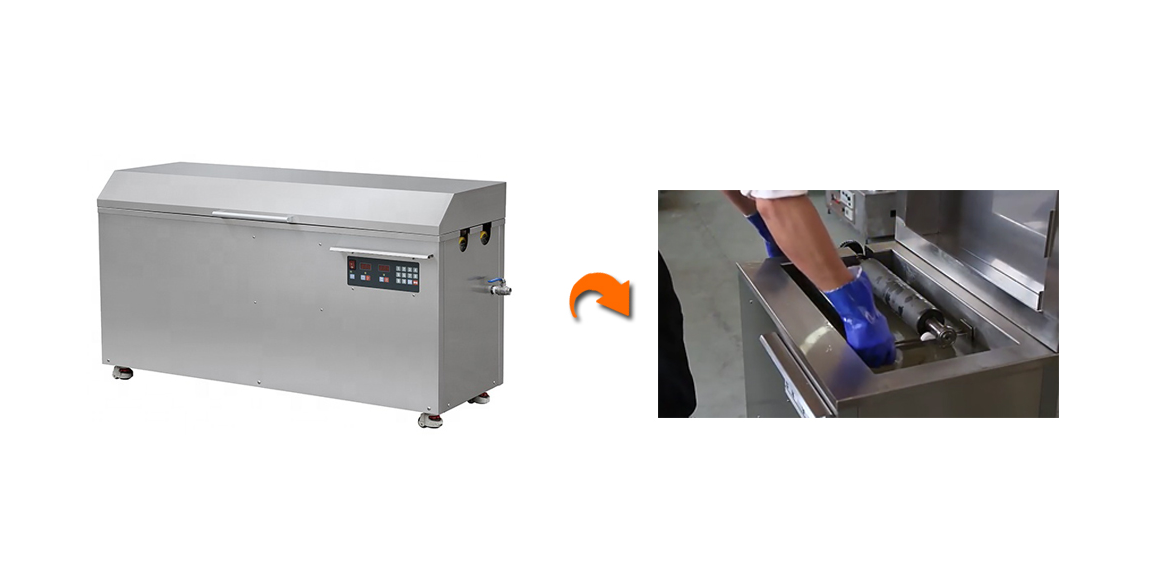
Maintenance routines also differ drastically between the two primary methods. Flexographic systems demand rigorous, manual mechanical cleaning. Teams must regularly scrub delicate anilox rollers. They must carefully wash costly photopolymer plates after every shift. Neglecting this maintenance destroys print quality rapidly. Digital systems introduce very different vulnerabilities. Printheads remain highly susceptible to microscopic clogging from dried ink or dust. Facilities must maintain strict climate, temperature, and humidity control to protect sensitive electronic components. Additionally, digital presses often require expensive, mandatory proprietary maintenance contracts directly from the original manufacturer.
Choosing the best path forward requires a structured, objective decision framework. You must critically audit your current and projected product mix. Assess your average minimum order quantities (MOQ) across all top clients. Track the exact frequency of your customer artwork changes per quarter. Determine your mandatory customer turnaround times. These three critical variables dictate your ideal technical path.
You should also seriously evaluate the modern hybrid equipment option. Manufacturers now build advanced hybrid presses. They integrate a high-speed digital inkjet engine directly onto a traditional analog chassis. This highly innovative design allows you to achieve variable digital printing combined immediately alongside inline mechanical converting and spot colors.
Here is your recommended actionable next-step plan.
Ultimately, neither printing technology is objectively better than the other in a vacuum. The right choice depends entirely on your specific production run lengths. It relies heavily on your unique substrate demands and existing operational infrastructure. High-volume, static designs naturally belong on fast-spinning analog cylinders. Short-run, highly variable customized campaigns thrive on agile, plateless systems.
We strongly advise buyers to look far beyond the initial sticker price of the machine. You must calculate a comprehensive five-year operational cost model. Ensure you include skilled labor wages, routine material make-ready waste, facility upgrades, and ongoing consumable ink contracts in your calculations. Taking this holistic view guarantees a highly profitable, long-term equipment investment. By clearly understanding your market demands, you will secure the perfect printing asset.
A: No, analog plates cannot change between impressions. Traditional plates feature static raised images. Implementing VDP requires a fully digital press or a modern hybrid system equipped with a specialized digital inkjet module.
A: It depends on your operation. Digital significantly reduces setup waste, eliminates toxic plate chemicals, and prevents overproduction. Flexo is increasingly sustainable due to eco-friendly water-based inks, improved LED curing, and modern solvent-recovery systems.
A: Photopolymer plates possess remarkable durability. They can withstand millions of impressions if operators store them correctly and clean them thoroughly after use. This incredible durability helps amortize their initial creation cost over exceptionally long print runs.
A: Generally, yes. Inline presses excel in high-speed, single-pass label and carton production. Stack presses are often chosen for wider webs and specific vertical material handling needs rather than pure continuous printing speed.