Views: 0 Author: Site Editor Publish Time: 2026-02-02 Origin: Site
A die cutting machine is a powerful tool used to cut materials into specific shapes and sizes using a die, which is a custom-shaped blade made of steel or other durable materials. These machines are widely used in various industries such as packaging, labeling, and crafting, as well as for producing custom shapes and intricate designs on materials like paper, cardboard, plastic, and fabric. Knowing how to properly operate a die cutting machine is essential for achieving optimal results. Proper usage ensures that cuts are precise, the machine runs efficiently, and material waste is minimized. Whether for small craft projects or large-scale production, mastering the operation of a die cutting machine can significantly improve both quality and productivity in your work.
Properly setting up the die is critical for accurate cuts. Here are the steps for loading and positioning the die correctly:
Select the Correct Die: Choose the appropriate die for the design or shape you want to cut. Dies are typically made of steel or rubber, and the type will depend on the material and complexity of the cut.
Position the Die: If using a flatbed die cutting machine, securely position the die on the cutting plate or bed. Align it properly according to the shape or design you want to cut. For rotary machines, place the die onto the cylindrical drum, ensuring it's tightly secured.
Check the Die Height: Ensure the die is positioned at the right height relative to the material. If it's too high or low, it may cause incomplete cuts or damage the material.
Preparing the material correctly is just as important as setting up the die. Follow these steps to ensure the material is ready for cutting:
Select the Material: Choose the material you wish to cut, such as paper, cardboard, plastic, or fabric. Ensure that it is suitable for die cutting and will fit within the machine’s cutting area.
Align the Material: Feed the material into the machine and align it according to the die’s cutting edges. Use the machine's alignment guides or edge markings to ensure it’s straight and centered.
Check Material Thickness: Adjust the pressure settings of the machine based on the thickness of the material to ensure clean cuts. Too much pressure can damage the material, while too little can result in incomplete cuts.
Fix the Material in Place: If necessary, use clamps or rollers to hold the material firmly in place to prevent any shifting during the cutting process.
Properly feeding the material into the die cutting machine is essential for achieving accurate and clean cuts:
Align the Material: Carefully position the material on the feeding platform, ensuring it is aligned with the die. Most machines have guides or markings to help with this alignment.
Feed the Material Evenly: Ensure the material feeds straight into the machine to avoid any skewed cuts. If the material is large or flexible, it may need to be fed slowly and steadily to avoid wrinkles or misalignment.
Manual vs. Automatic Feeding: Some machines have automatic feeding systems for continuous feeding, which is especially useful for high-volume production, while others require manual feeding for smaller runs.
Before starting the cutting process, it's important to adjust key settings to ensure optimal results:
Pressure: The pressure setting controls how much force the die applies to the material. For thinner materials, use lower pressure to avoid cutting through more than intended. For thicker materials, higher pressure is required to ensure a clean cut.
Speed: The speed of the machine should be adjusted according to the type of material and the complexity of the design. Faster speeds are ideal for simple cuts on thinner materials, while slower speeds are better for intricate designs or thicker materials that require more precision.
Die Positioning: Ensure the die is correctly aligned with the material. Adjust its position if necessary to guarantee that the cut is accurate and the material remains in place during operation.
Cutting Depth: Adjust the cutting depth based on the material's thickness to ensure clean and complete cuts without damaging the material.
Once everything is set up, the cutting process begins:
Initiate the Cut: Activate the machine to start the cutting process. The die will apply pressure to the material, cutting it according to the shape of the die. In rotary die cutting, the die rotates as the material moves through, allowing continuous cutting.
Monitor the Process: As the machine operates, monitor the material closely to ensure it is feeding properly and that the cut is proceeding as expected. If any issues arise, stop the machine immediately to adjust settings or realign the material.
Collection of Finished Products: After the cut is made, the finished product is ejected, and the remaining waste material is removed. Ensure that the cut pieces are carefully collected to avoid any damage.
Problem: Material is misaligned, causing uneven cuts.
Solution:
Ensure the material is correctly aligned with the machine’s guides.
Adjust the feed mechanism if needed to maintain proper material flow.
Check and adjust the die’s positioning on the cutting bed.
Problem: Cuts are not fully through the material.
Solution:
Increase the pressure for thicker materials.
Inspect and sharpen or replace the die if it’s dull.
Ensure the material thickness is suitable for the machine.
Problem: Wear on the die, anilox roll, or other parts affects performance.
Solution:
Perform regular maintenance and cleaning to reduce wear.
Replace or resurface worn parts, such as the die or anilox roll.
Lubricate moving parts to minimize friction.
Problem: Ink is uneven or smeared.
Solution:
Adjust ink viscosity for better consistency.
Ensure balanced printing and cutting pressures.
Clean or replace the anilox roll to maintain even ink distribution.
Operating a die cutting machine requires careful attention to safety to prevent accidents and injuries. Here are essential safety precautions to follow:
Always wear protective gloves to avoid injuries from sharp dies or materials.
Safety goggles should be worn to protect your eyes from flying debris or dust generated during cutting.
Never place your hands or loose clothing near the machine’s moving parts, such as the rollers or cutting die, to avoid entanglement.
Use tools or implements to position the material, and never manually feed it into the machine while it’s running.
Ensure all safety guards and emergency stop buttons are in place and functional.
Make sure cutting areas are shielded to prevent accidental contact with the die.
Conduct regular maintenance checks to ensure the machine is functioning properly. Check for any worn or damaged parts that may cause malfunction.
Regularly inspect the safety features and emergency stops to ensure they are working effectively.
Only trained and authorized personnel should operate the machine. Ensure that all operators are familiar with the machine’s functions, safety protocols, and emergency procedures.
Always turn off the machine and disconnect power before performing maintenance or adjustments.
Wait for all moving parts to come to a complete stop before accessing the machine for cleaning or adjustments.
Die cutting machines can cut a wide variety of materials, including paper, cardboard, plastic, fabric, foam, and even some metals or thin rubber. This versatility makes them suitable for multiple applications, such as packaging, crafting, and product labeling.
Pressure settings can be adjusted based on the thickness of the material and the complexity of the cut. For thinner materials, use lower pressure to avoid cutting through more than intended, while thicker materials may require higher pressure to ensure clean cuts.
Yes, die cutting machines are ideal for creating custom shapes and intricate designs with high precision. Whether for small or large runs, these machines can cut intricate patterns, logos, and detailed shapes, making them perfect for customized packaging, labels, and crafting projects.
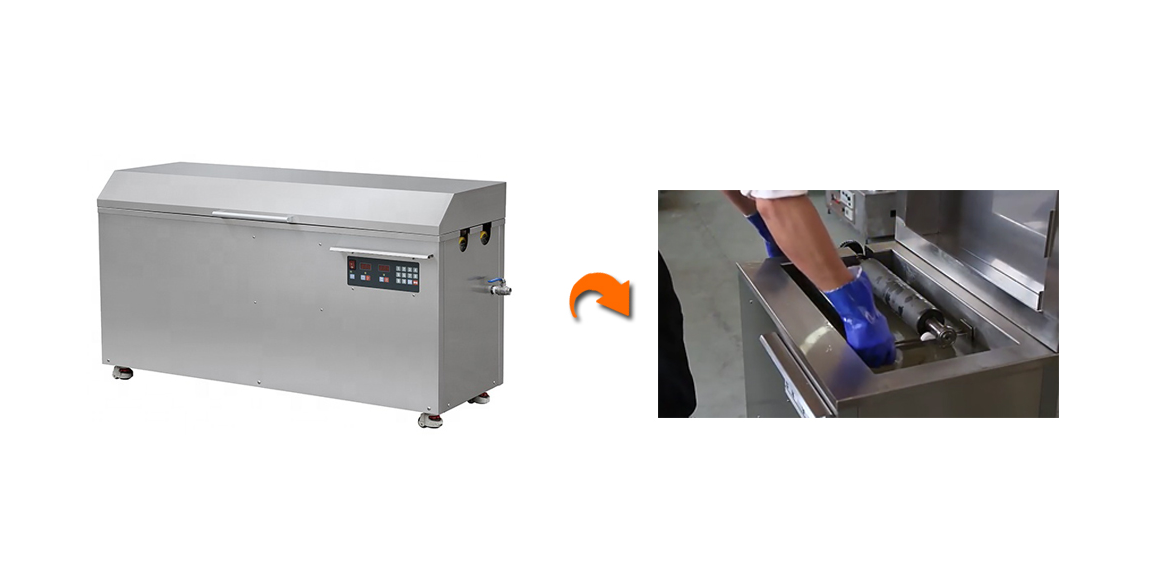
Clean the machine after each use to prevent ink or material buildup that can affect performance. Regular cleaning helps maintain the precision of the cuts, prolongs the machine’s life, and ensures consistent results for future projects.
Properly using a die cutting machine involves several crucial steps to ensure precise and efficient results. Start by setting up the die correctly and preparing the material, ensuring it’s properly aligned and suited for the machine. Adjust key settings such as pressure, speed, and cutting depth based on the material and design requirements. During operation, monitor the machine closely to maintain proper material feeding and alignment, and follow safety precautions to avoid accidents. After cutting, ensure finished products are carefully removed, and the machine is cleaned and maintained for longevity. By following these steps, you can achieve high-quality, consistent cuts while maintaining smooth and efficient operations.