Views: 0 Author: Site Editor Publish Time: 2026-01-26 Origin: Site
Choosing the right flexo printing machine is crucial for achieving optimal production efficiency, print quality, and cost-effectiveness. Flexo printing is a versatile and widely used method in industries such as packaging, labels, and flexible materials, but selecting the appropriate machinery can make a significant difference in meeting production goals. When deciding on a flexo press, it's essential to consider factors like your printing volume, material compatibility, print quality requirements, and the machine's speed. Understanding these elements will help you make an informed decision that aligns with your production needs, ensuring smooth operations and high-quality results. The right machine not only enhances productivity but also delivers consistent and precise prints, leading to better end products and reduced operational costs.
When selecting a flexo printing machine, it’s important to consider your production scale. If you’re dealing with small runs, a narrower web flexo press might be sufficient. However, for large runs, a wider web flexo press would be more suitable. Larger machines typically offer higher output speeds and larger printing widths, making them ideal for bulk printing jobs, while smaller presses can handle limited quantities with less overhead.
Flexo printing is versatile and can print on a variety of substrates. Understanding the materials you intend to print on is crucial when choosing the right machine. Whether you're working with paper, plastic films, foils, or non-porous surfaces, ensuring that the machine can handle your materials without compromising print quality is key. Some presses are specifically designed for flexible materials like films, while others may specialize in paper products, so consider your specific material requirements carefully.
The level of detail and color accuracy you need in your prints is another critical factor. If your print jobs require high-resolution graphics or intricate designs, you’ll need a machine with precise ink transfer and accurate registration. Higher-end flexo presses, especially those with features like central impression drums or digital integration, are capable of delivering superior color consistency and fine detail, even for complex jobs. Determine the necessary print quality to match your job’s demands, ensuring the press you choose meets those standards.
The speed of the flexo printing machine should align with your production goals. If your business requires fast turnarounds and high output, opt for a press with a higher print speed to meet demand. Conversely, if you're focused on smaller runs or need a more controlled production pace, a slower-speed machine may be appropriate. It’s important to balance the speed with the quality of the print, as very high speeds might compromise precision unless the machine is specifically built for high-efficiency, high-quality output.
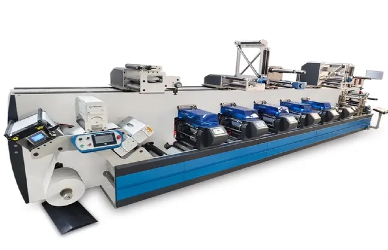
Narrow web flexo presses are designed for smaller, more detailed print runs, such as labels, tags, and small packaging. These presses are ideal for producing high-quality prints on narrow rolls of materials, usually less than 18 inches wide. They are well-suited for industries that require short runs, fast turnarounds, and precision in smaller designs. Narrow web presses typically offer higher print resolutions, making them perfect for intricate designs and high-accuracy labels that demand sharp text and graphics.
Wide web flexo presses are used for printing on large rolls of material, typically for packaging applications such as flexible films, corrugated boxes, and large labels. These machines can handle wider material widths, often ranging from 20 inches to 60 inches or more. They are perfect for bulk printing and high-volume production due to their ability to run large quantities of material at high speeds. Wide web presses are essential for companies involved in producing food packaging, beverage labels, and other large-scale packaging solutions.
Central impression (CI) flexo presses are known for their superior print registration and high-quality results. In CI flexo machines, all the print stations are arranged around a single central impression drum, which allows for better alignment of colors and more consistent print quality. This design is particularly beneficial for printing on films, flexible packaging, and multi-color designs. CI flexo presses excel in reducing color misregistration, making them an excellent choice for high-end printing applications that require precision and fine detail, such as premium packaging and complex graphic designs.
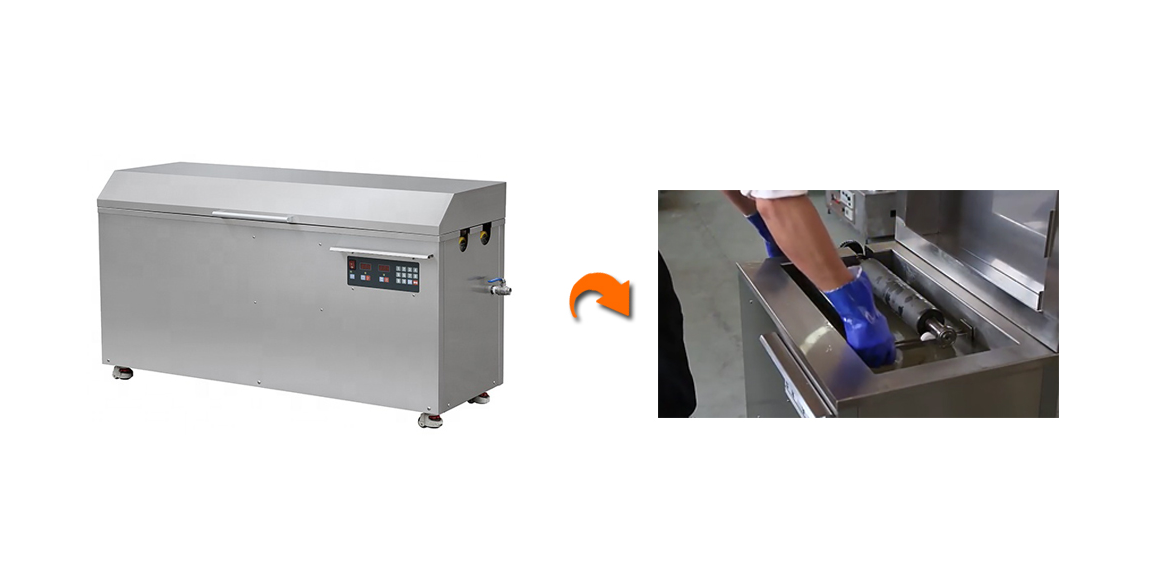
The anilox roll plays a crucial role in the flexo printing process, as it controls the amount of ink transferred to the printing plate. The system uses a precision engraved cylinder to meter the ink before it’s applied to the plate, ensuring consistent ink coverage and high print quality. The quality and condition of the anilox roll directly affect the print’s color accuracy, sharpness, and evenness. Choosing a machine with an advanced anilox roll system allows for more accurate ink transfer, leading to better consistency in color reproduction and minimizing ink waste.
Modern flexo printing machines often come with automation and digital features that improve efficiency and reduce human error. Key features to consider include:
Auto-registration: This ensures the print is perfectly aligned across all color stations, eliminating registration issues and improving print quality, especially on multi-color designs.
Automated cleaning: Automated cleaning systems reduce downtime and labor costs by quickly and efficiently cleaning components such as printing plates, anilox rolls, and ink chambers. This feature also helps maintain consistent print quality between jobs.
Ink control: Digital ink management systems allow for precise control over ink viscosity, color density, and flow. This automation ensures that the right amount of ink is applied, optimizing the printing process and minimizing waste.
When selecting a flexo printing machine, ease of maintenance and user-friendliness are critical for minimizing downtime and operational complexity. Machines with self-lubricating systems, easy-to-access components, and intuitive control panels help reduce maintenance costs and ensure smooth operation. A machine that’s easy to clean, with modular parts that can be quickly replaced or serviced, will help improve long-term productivity. Additionally, machines with automatic diagnostics can quickly identify issues, allowing for faster troubleshooting and minimizing costly interruptions in production.
When selecting a flexo printing machine, it’s crucial to weigh the initial investment against long-term savings. While high-end machines may have a higher upfront cost, they often lead to operational savings in the form of greater efficiency, better print quality, and lower labor costs over time. Features like automation and reduced waste can offset the initial cost, providing a more cost-effective solution in the long run.
The total cost of ownership (TCO) includes the initial cost, plus ongoing maintenance, replacement parts, and consumables like ink and plates. Key factors include:
Maintenance: Regular upkeep and part replacements can add costs. Machines that are easy to clean and maintain can lower these expenses.
Consumables: Efficient ink use and better ink transfer reduce material waste and help lower ongoing ink and substrate costs.
Energy Efficiency: Machines that consume less power will lower long-term electricity costs.
Calculating ROI and the break-even point helps assess whether the flexo printing machine will be cost-effective. By considering savings in material, labor, and downtime, you can estimate how quickly the investment will pay off. Faster uptime and lower maintenance costs speed up ROI, making the machine more profitable in the long term.
Narrow web flexo presses are ideal for smaller print runs, labels, and tags, typically used for more intricate designs. In contrast, wide web flexo machines are better suited for large-scale packaging, flexible materials, and bulk production due to their higher speed and wider printing widths, making them perfect for high-volume output.
The anilox roll regulates the amount of ink transferred from the ink chamber to the printing plate. By controlling ink volume with precision, it ensures consistent ink coverage, sharp images, and accurate color reproduction, which directly impacts print quality and consistency across production runs.
Look for auto-registration, automated cleaning systems, and digital ink management. These features improve efficiency, reduce setup time, and ensure consistent color registration. Automated systems also minimize human error and contribute to higher operational uptime, making them ideal for high-volume jobs.
The right speed depends on your production volume, the substrates used, and the turnaround time. For high-volume production, choose a machine with a higher speed capacity, while for smaller or more intricate runs, a slower speed may be sufficient. Match the machine’s speed with your desired output and print quality to avoid compromising either.
When choosing flexo printing machinery, it’s essential to consider several key factors, including printing volume, material compatibility, print quality requirements, and machine speed. Each of these elements will help determine the right machine for your production needs. Additionally, technology features such as the anilox roll system, automation, and ease of maintenance can significantly impact operational efficiency and print quality. It's also important to evaluate cost considerations, weighing the initial investment against long-term savings in maintenance and consumables. To make an informed decision, take the time to assess your production scale, the materials you need to print on, the quality you require, and the total cost of ownership. By carefully considering these factors, you can select a flexo printing machine that not only meets your immediate printing needs but also supports long-term productivity and cost efficiency.